 Understanding Home Care Provider Responsibilities, Skills, and Personal Qualities
Whether you’re searching for a professional caregiver for aging parents or considering a career in senior care, understanding the skills, knowledge, and personality required is essential. In this article, the staff at 1Heart Caregiver Services answer the question, “What are caregiver responsibilities?” by providing the following information:
- What are the main duties and responsibilities of a caregiver?
- What are the important skills and personal qualities to have?
- How does a person become a senior care provider?
What Are Caregiver Responsibilities? Read Our Top 5 Most Common Duties
While home care provider responsibilities may change to meet their clients’ needs, the following are the top five responsibilities 1Heart Caregivers can expect:
- Personal Care Assistance: This involves assisting with daily living activities, including bathing, grooming, dressing, toileting assistance, and mobility support.
- Meal Preparation: Home care providers may need to assist with preparing nutritious meals and feeding.
- Medication Management and Health Monitoring: Ensure the client’s medication schedule is followed and give reminders as necessary. Always inform the 1Heart supervisor of any health improvement or decline.
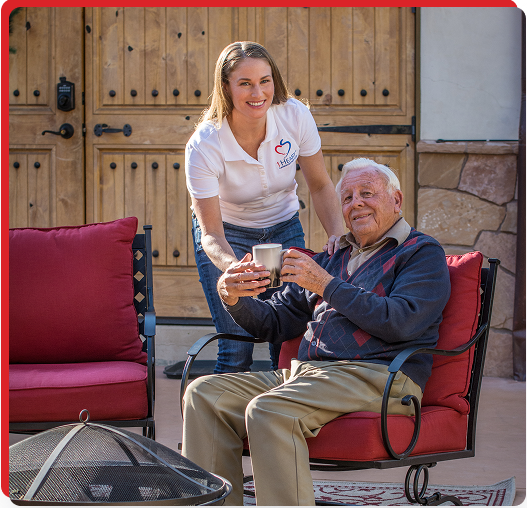
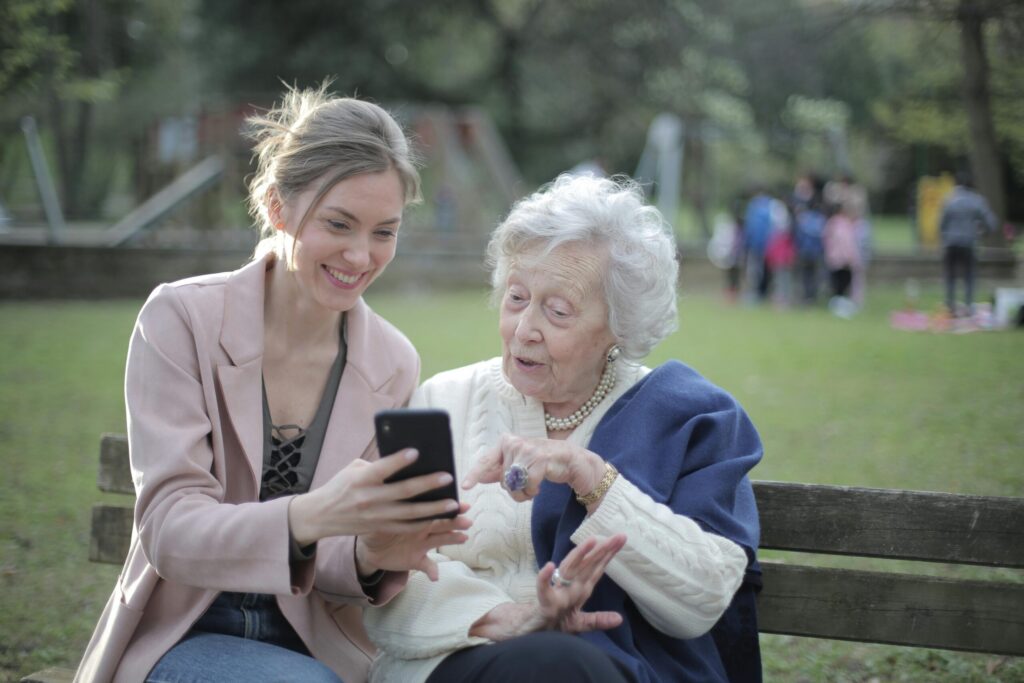
- Companionship: This includes having conversations, participating in leisure activities, or going for a walk. Caregivers may also assist with simple exercises that enhance mobility.
- Help with Errands and Light Housekeeping: Home care provider responsibilities may include grocery shopping, doctor visits, picking up medication, and maintaining a clean and safe home.
What Are Caregiver Responsibilities? Read Our Top 10 Most Desired Skills and Personal Qualities
While the skills and personal qualities needed vary depending on the particular home care service, the person being cared for, and the extent of assistance required, the following list aligns with what caregiver responsibilities and main duties are at 1Heart Caregivers.
- Patience: Caregiving can be quite demanding and frustrating, especially when the patient has other conditions or disabilities.
- Compassion: The caregiver should be able to relate to the person they are caring for.
- Physically Fit: The caregiver should be in good physical health to assist the client in meeting their mobility needs.
- Good Communication: The caregiver should have good communication skills, both in speaking and listening.
- Reliability: The client and their family will be counting on the caregiver. Reliability is a must.
- Problem-solving skills: A caregiver needs to find solutions to the problems that they or their client may encounter.
- Medical Knowledge: Having some basic healthcare knowledge is very useful.
- Resilience: Caregiving can be very tiring. Being able to cope with stress is necessary.
- Responsibility: Home care provider responsibilities require a high level of responsibility and follow-through.
- Observant: Caregivers should be able to observe any changes in the elderly person’s condition or behaviors.
If you are uncertain about what the caregiver’s responsibilities are for your parents or loved one, it is always a good idea to talk with their health care provider.
How to Become a Home Care Provider for the Elderly
Becoming an in-home caregiver can be a rewarding career. Here are three pieces of advice to get started!
- Basic Education: Obtain your high school diploma or GED. Having an interest in nursing, psychology, or elder care is helpful.
- Pursue Relevant Certifications: Additional coursework, such as becoming a certified nursing assistant (CNA), home health aide (HHA), or personal care aide (PCA), can be helpful in obtaining jobs with higher levels of home care provider responsibilities.
- Gain Experience: If you’re new to caregiving, start in entry-level roles that allow you to learn more about what caregiver responsibilities are and the personal qualities needed to succeed.
Contact 1Heart Caregiver Services
Whether you’re searching for a caregiver for your aging parents or looking for a meaningful job as a senior caregiver, 1Heart Caregiver Services can help. Contact us today to learn more.
Frequently Asked Questions
Do I need a college degree to become a senior caregiver?
Not necessarily. Most senior companions need only a GED or high school diploma. In some states, providing specialized care may require coursework to become a certified nursing assistant, home health aide, or personal care aide.
Where do senior caregivers work?
Senior caregivers can be matched with clients living independently in their homes or apartments, or with those receiving assistance in a nursing home, hospital, or hospice setting.
What are a caregiver’s responsibilities?
The main responsibilities depend on the client’s needs but typically involve companionship, personal care, light housekeeping, and managing diet and medication.