

1Heart’s Guide To Our Top 10 Safe Winter Tips
As winter approaches, adult children of elderly parents, professional caregivers, and in-home caregivers must be prepared to help seniors stay safe and healthy. The cold temperatures and treacherous conditions can present a variety of risks to elderly individuals, so it is important to know how to best protect them during this time of year. This article will provide an overview of 1Heart Caregiver’s guide to our top ten best safe winter tips. We hope this listing helps you understand the basics of winter safety for seniors.
Safe Winter Tip #1: Prepare the Senior’s Home
Before winter arrives, it is essential to do some routine maintenance around their home to ensure it is prepared for the cold weather. This prep work may include checking and cleaning the furnace, chimney, and fireplaces, ensuring windows are securely closed, and making sure there is at least one working carbon monoxide detector in the home. Taking these steps can help reduce the risk of illness or injury due to exposure to cold temperatures or hazardous airborne particles.
Safe Winter Tip #2: Dress Appropriately
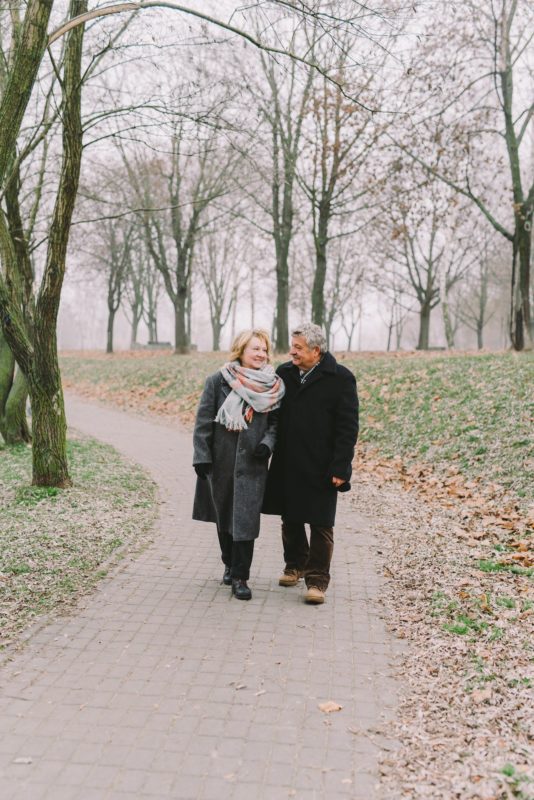
Basic winter safety for seniors means dressing appropriately. Layering clothing can help keep seniors warm, and it is vital to ensure that shoes have good traction to reduce the risk of falls on ice or snow. Hats, gloves, and scarves can also help protect against the cold and should be worn whenever possible. It is also important to remember that not all materials are equally effective in keeping the body warm – wool, down, and synthetic fabrics are better than cotton and denim.
Safe Winter Tip #3: Exercise
Low-impact, indoor activities such as walking or yoga can help seniors stay active and healthy during winter. When possible, get outside for some fresh air as long as there is appropriate clothing and footwear for the weather. Exercise can also help boost mood and energy levels, especially during the dark winter months.